
Sobremesa
A Love Letter to Mexico, migration, and the Ritual that keeps us Human.

One of the most beautiful concepts I’ve learned while traveling through Mexico is a single spanish word that feels like a doorway:
Sobremesa.
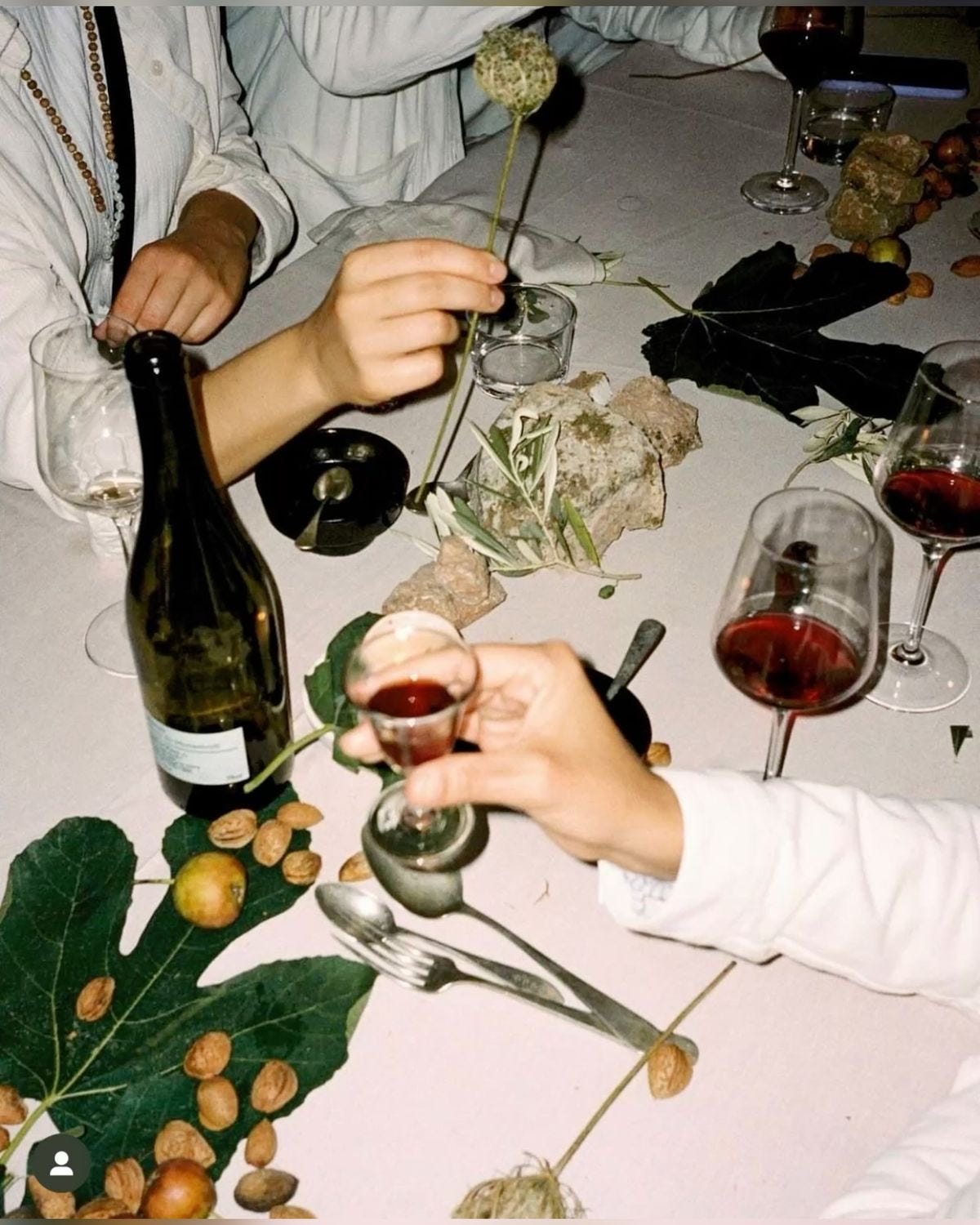
Literally meaning "over the table" Sobremesa references the moment after a meal when nobody rushes to “what’s next.” When the plates are cleared, but the gathering stays intact. When the point is not productivity, not efficiency, not even the food anymore—the point is the present moment spent with each other.
You linger. You laugh. You tell stories you didn’t know you needed to tell. You let the room soften around you. and you soften within in it.
You enjoy yourself for the sake of enjoying yourself.
Sobremesa is poetry and practice.
But it is also a worldview.
Lately, it’s become a kind of medicine for me.
Because I am writing this in a time when the word immigrant is being handled like a threat—flattened into a headline, weaponized into policy, turned into something people spit instead of something people thank. I’m watching the United States tighten its fist and call it order. I’m watching the country that raised me—built by the hands it now wants to disappear—try to convince itself that cruelty is a form of protection.
So yes. From the edge of grief and joy, I am writing a love letter to Mexico.
I’m not from here.
And yet still—parts of me have always been.
I was raised by Mexican immigrants. By the abuelas in the neighborhood who took care of me when my mother had to work. By the tias and primos of my closest friends who grew up beside me and taught me the importance of deep belly laughs and how to be brave. My own grandfather, a mexican american man who taught me the difference between being reckless and being free.
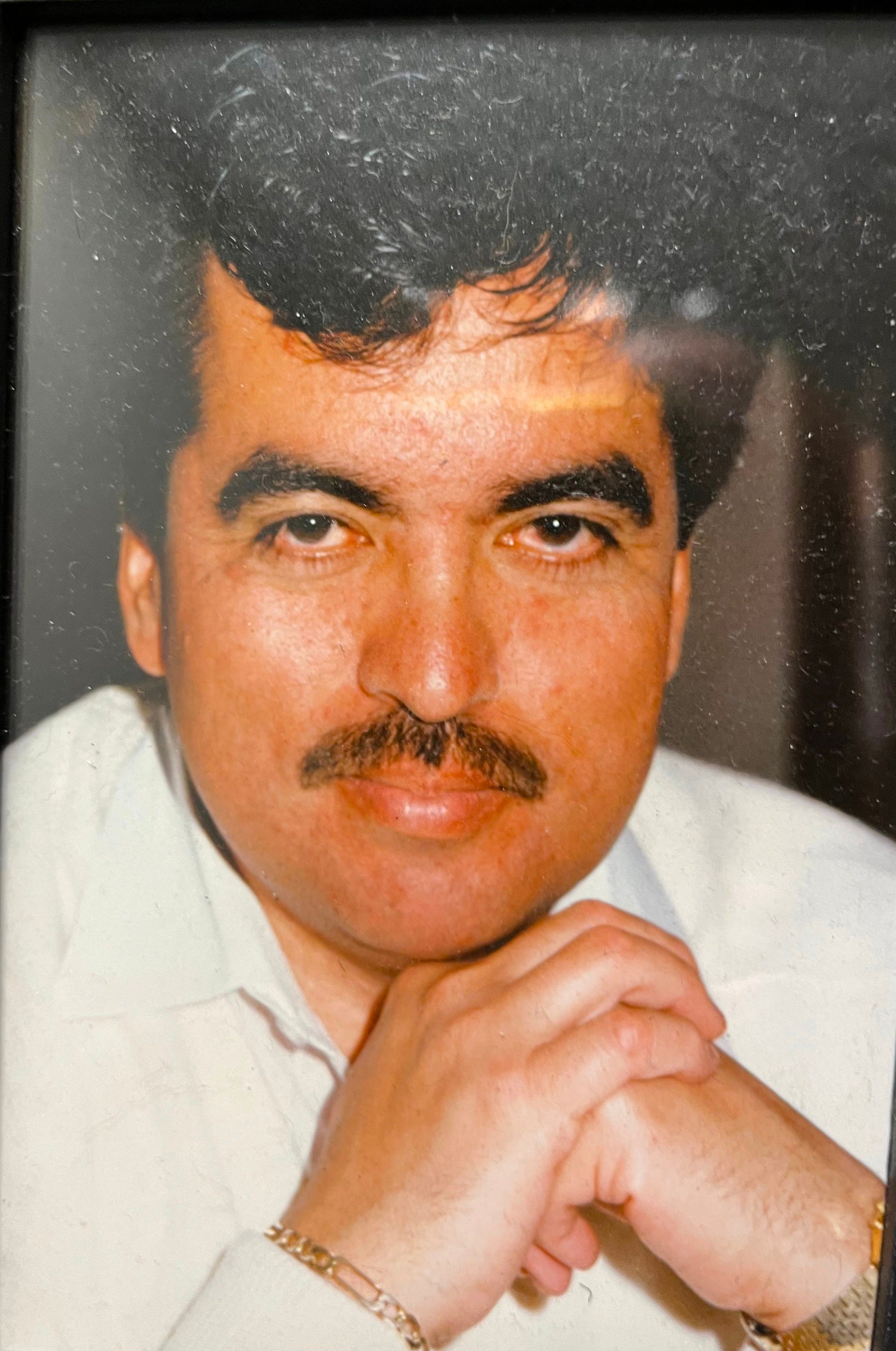
Mexico was not an abstract “culture” to me. It was the atmosphere. It was the music pouring out of open windows. It was the food made with devotion. It was the way elders held the center of the room without needing to announce themselves.
It is because of this that I grieve deeply for the families. For the stories. For the histories lost on this stolen ground—this land built through dispossession, sustained through forced labor, and continually made “functional” by the very people it loves to exploit and refuse.
And I have one thing—one thing only—to say to the United States right now:
How fucking dare you.
The audacity to criminalize the very people who have dedicated their lives to keeping your cities alive, your food on the table, your homes clean, your businesses running, your children cared for.
The best parts of that country have always been its immigrants.
The farm workers. The stewards. The back-of-house teams. The caregivers. The builders. The ones doing the labor nobody wants to admit is sacred—because then we’d have to treat it that way.
And if the United States cannot tell the truth about that, then it doesn’t deserve to be trusted with anybody’s future.
Why Mexico Feels Like an Answer
In pursuit of a land that honors what the U.S. pretends not to see, I have embarked on a kind of quest through Latin America—in search of some semblance of deeper understanding, or perhaps my own roots.
And I know—deeply—there is a strange, roundabout privilege I carry as an American moving through this place. I’m not naïve to that. I’m not romanticizing what it means to leave everything behind. I do not claim to understand the full complexity of sacrificing your entire life in pursuit of another homeland under persecution with nothing else but hope and a dream. But I do also deeply understand that migration is a natural part of life.
I am learning how to hold these truths with humility.
And part of what I’m learning is that Mexico holds something the United States has been trying to beat out of us for generations:
a reverence for each other, and for the table.
Not the table as aesthetic. Not the table as content. The table as a commons. The table as a place where life is processed. Where humor and heartbreak can sit side by side without being asked to perform. Where you don’t have to earn your right to belong by being exceptional.
The table as an altar for the best parts of ourselves.
Sobremesa says: have a seat, you are welcome here.
And that—especially right now—feels radical.
It also feels like a clue. A cultural technology. A living archive.
This is part of what I’ve been trying to name through my work: that food is never just food. It is memory. It is migration. It is ritual. It is the place where identities collide and—if we do it with care—become something more honest than a border.

A Note to My People
Noticing the influx and evolution of Black community abroad in places like Mexico has been an inspiring sight to see. Seeing so many of us seeking asylum, seeking breath, seeking something softer—there is grief in that, yes, as we mourn the old way— but there is also possibility.
It feels like an opportunity to build something greater. More in harmony with the lives and communities both of our ancestors deserved.
And we also have to tell the truth: proximity to whiteness has often been used as a survival mechanism—here, and everywhere empire has left its fingerprints. That complexity deserves respect. It deserves study. It deserves patience.
But it also demands that we do something brave: learn. Unlearn. Relearn—together.
We are stronger together.
And I say this with humility, because I know how easy it is—especially for Americans—to arrive in someone else’s home and mistake our hunger for entitlement.
So I’m not here to declare solutions.
I’m here, on this first day of black history month, to ask a question I can’t stop asking.
Perhaps there is a better way forward?
Perhaps we don’t have to suffer and starve at the table of white supremacy.
Perhaps we can choose to build a whole new table together with those who we have been taught to fear.
A table where we do not beg for scraps of dignity. A table where culture is not something you abandon or co-opt to survive, but something you bring forward—whole, intact, honored. A table where a “third way” becomes possible: your story, my story, our story, braided into something neither of us could make alone.
Three Truths, Held Like a Prayer
The culmination of everything I’ve learned—through my life, my family, my travels—keeps circling back to three truths:
We are all more alike than we are different.
We are all in this strange, holy human experience at the same time—and we have very little time here to enjoy it.
We get to enjoy it.
And yes—the horrors will persist. They always do.
In order for light to exist so must darkness.
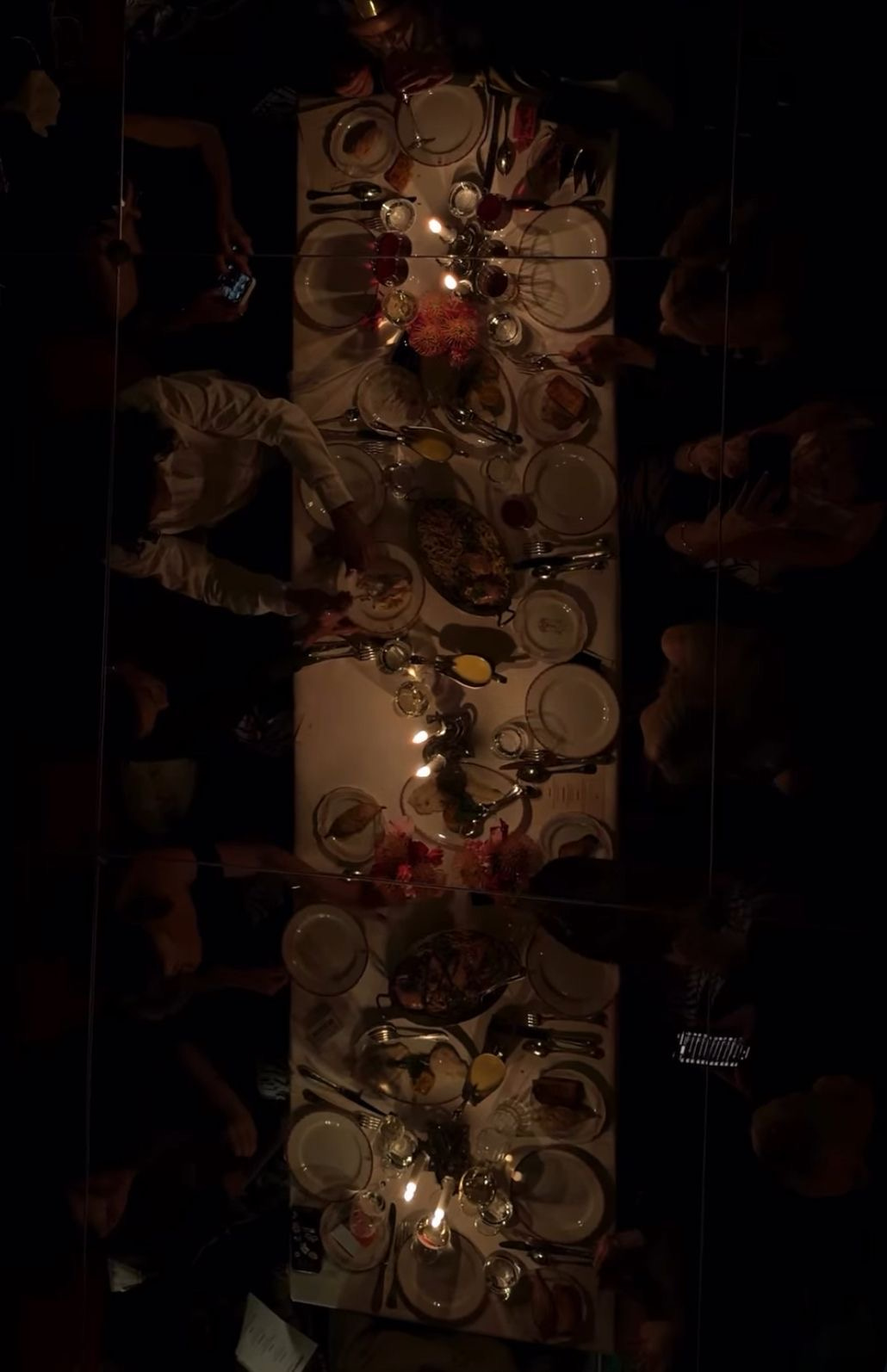
But we make it a little easier on ourselves when we light our candles and linger a little longer at the table. When we look out for our neighbor, no matter where they come from. When we take what we know from our culture and what they know from theirs, and combine it to create a new more generative world—together.
That is what sobremesa teaches.
And that is what Mexico has given me: a reminder that joy is not denial. Connection is not naïveté. Pleasure is not apolitical.
Sometimes, lingering at the table is the most human thing we can do.
And in a time when so many forces are invested in making our humanity disappear—
Choosing to remain, together, is its own kind of resistance.
Until next time friends,
Stay human.